





Ship a Car from Georgia to California: Cost, Timeline, and What to Expect
Ship a car from Georgia to California for about $1,100–$1,700 in 5–9 days. See open vs enclosed pricing, popular routes, and what to expect.
- Route Guides
- Georgia
- California
- Pricing

Shipping a car from Georgia to California typically costs between $1,100 and $1,700 for open transport and takes 5 to 9 days once a carrier is assigned. This is a true coast-to-coast route, roughly 2,150 to 2,460 miles depending on your exact cities, which puts it among the longer and more expensive corridors in the country. Here's what shapes the cost, how the timeline works, and what to expect at both ends.
Quick facts: Georgia to California car shipping
| Factor | Typical range |
|---|---|
| Distance | About 2,150 – 2,460 miles |
| Open transport cost (sedan) | $1,100 – $1,700 |
| Enclosed transport (sedan) | $2,000 – $2,900 |
| In-transit time | 5 – 9 days |
| Carrier match + pickup | Often 1 – 3 days |
| Best default option | Open car transport |
Ready for a number based on your exact ZIP codes? Get a free Georgia to California quote.
How Much Does It Cost to Ship a Car from Georgia to California?
| Vehicle Type | Open Transport | Enclosed Transport |
|---|---|---|
| Sedan / Coupe | $1,100 – $1,700 | $2,000 – $2,900 |
| SUV / Crossover | $1,300 – $1,950 | $2,300 – $3,200 |
| Pickup Truck | $1,450 – $2,150 | $2,500 – $3,400 |
| Non-Running Vehicle | Add $150 – $300 | Add $150 – $300 |

Distance is the single biggest cost driver on this route, more so than on most of the shorter corridors, simply because of how much ground is being covered. The good news is that Georgia and California are connected by major, well-traveled interstates, I-20 and I-10 in particular, which keeps carrier competition strong and helps hold pricing more competitive than you'd see on a similarly long but less-traveled route.
What Actually Moves the Price on This Route
- Exact cities. Atlanta to Los Angeles is a shorter, more common pairing than Savannah to a smaller Northern California city, and that difference shows up directly in both price and how quickly a carrier gets matched.
- Season. Summer and early fall are the busiest months for cross-country shipping generally, which tends to push pricing higher. Shipping in winter or spring, outside of major holiday weeks, is often more affordable.
- Pickup and delivery flexibility. A flexible multi-day window, rather than a fixed date, gives carriers more scheduling room and is one of the most effective ways to lower cost on a route this long.
- Vehicle size and running condition. Larger vehicles and non-running cars both add cost, the same as on any route, though the add-on amounts are proportionally similar to what you'd see elsewhere.
- Open vs. enclosed. Enclosed transport on this route typically costs 70 to 90% more than open, a wider gap than on shorter corridors, reflecting both the distance and the smaller pool of enclosed carriers running true cross-country hauls.
How Long Does Georgia to California Car Shipping Take?
Once a carrier is assigned, transit typically runs 5 to 9 days depending on your exact cities and the route the carrier takes. Add another 1 to 3 days on top for a carrier to be matched to your shipment.

A realistic timeline looks like this:
- Booking to carrier assignment: 1 to 3 days, though this can extend slightly during peak summer months.
- Pickup window: Typically within a day or two of carrier assignment.
- In-transit time: 5 to 9 days depending on distance and any weather or traffic delays along the route.
Given the length of this haul, carriers generally don't drive coast to coast without stops — they follow efficient hub routes and often combine your vehicle with others heading the same general direction, which keeps the shipment cost-effective but means transit time isn't purely a straight-line calculation. If you have a hard deadline, build in a reasonable buffer. How it works covers each step in more detail.
Popular Georgia to California Routes
- Atlanta to Los Angeles — the highest-volume pairing on this corridor, connecting Georgia's largest metro with Southern California.
- Atlanta to San Francisco — a common relocation route, often tied to tech industry job moves.
- Savannah to San Diego — a longer coastal-to-coastal pairing, still well-served given overall demand on this route.
- Columbus, GA to Sacramento — a less common pairing that may see a slightly longer wait for carrier assignment given lower traffic on that specific leg.
If your pickup or delivery point is off the main I-20/I-10 corridor, expect a marginally longer wait for a carrier, since drivers plan routes around the primary highways first.
Open vs. Enclosed Transport
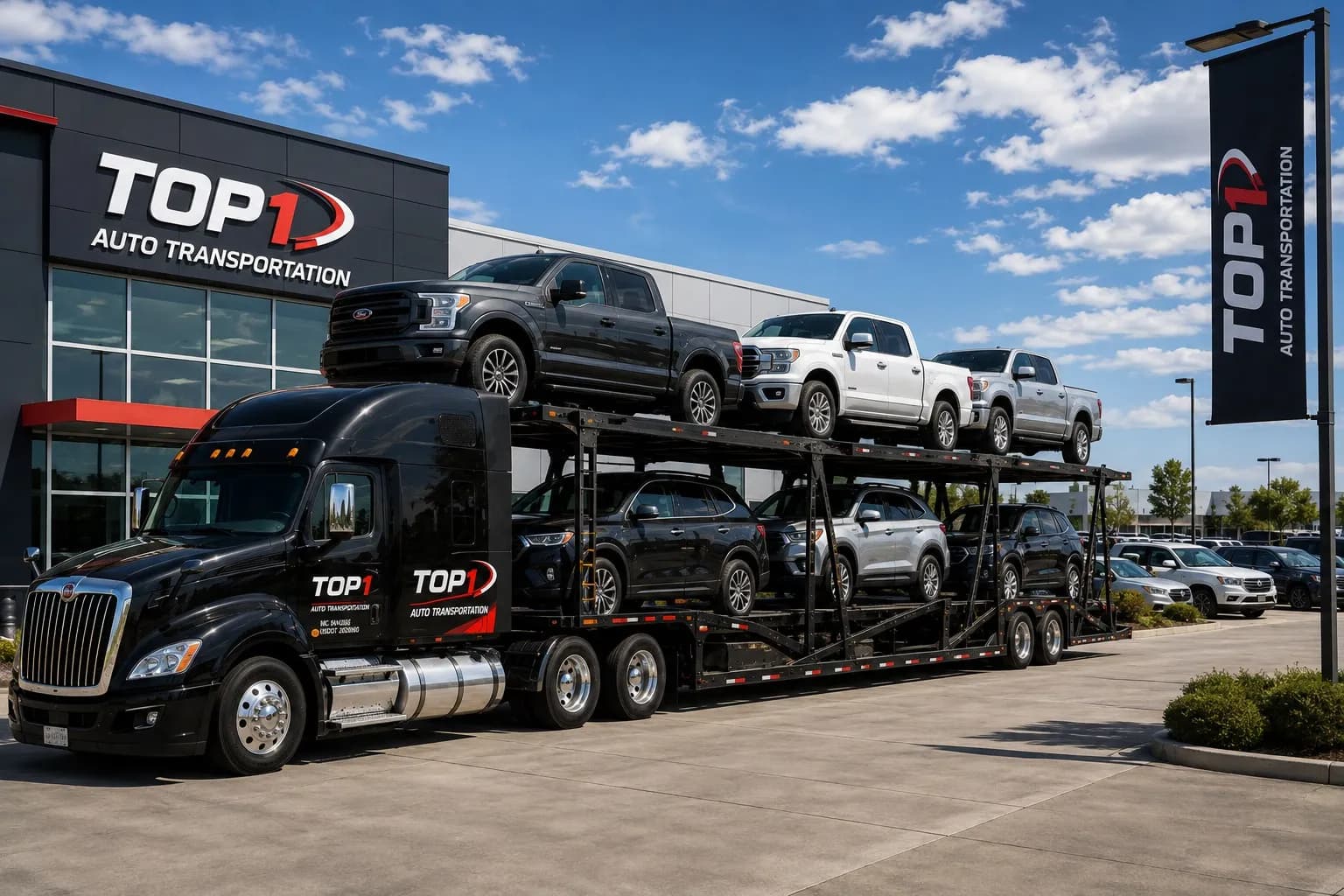
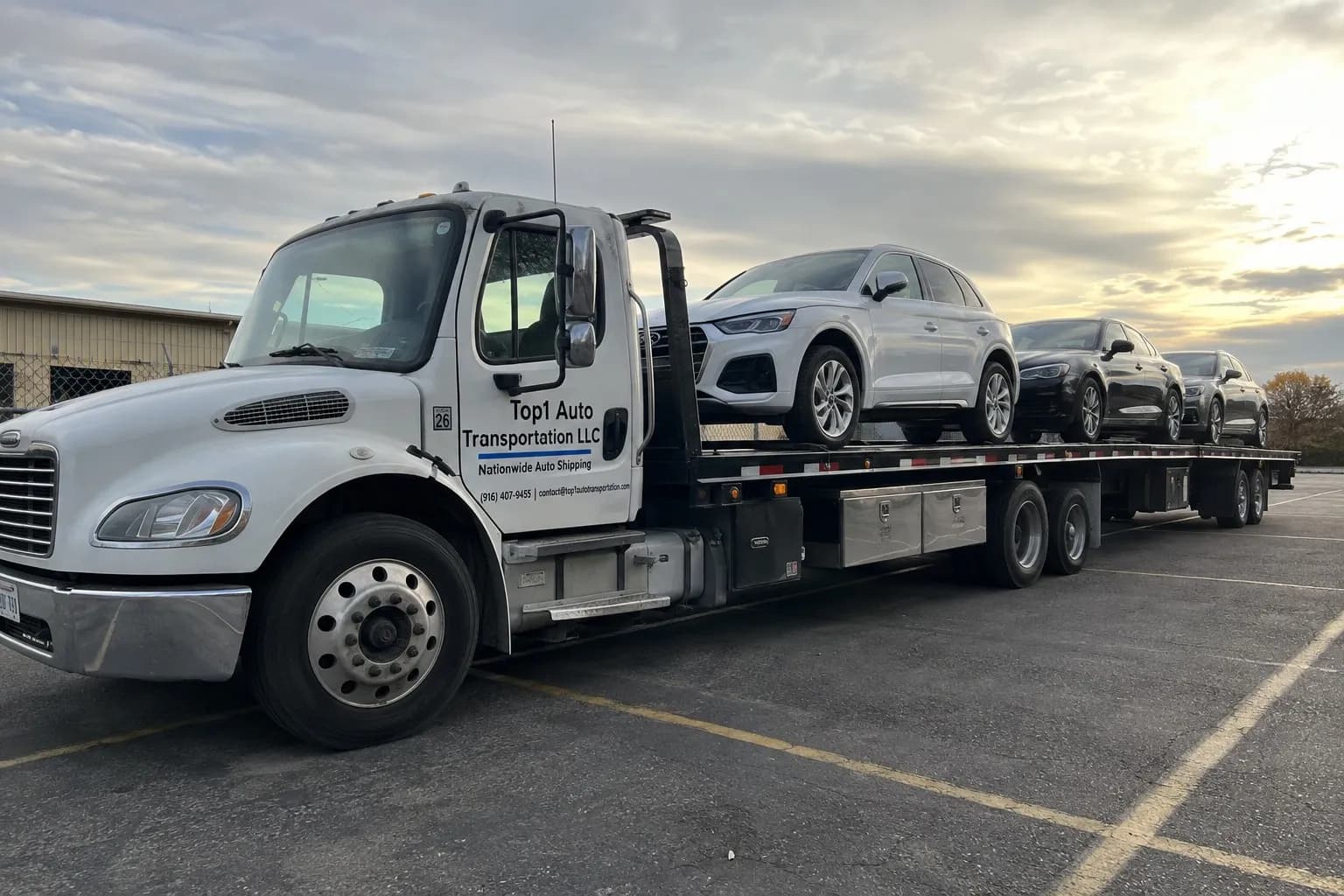
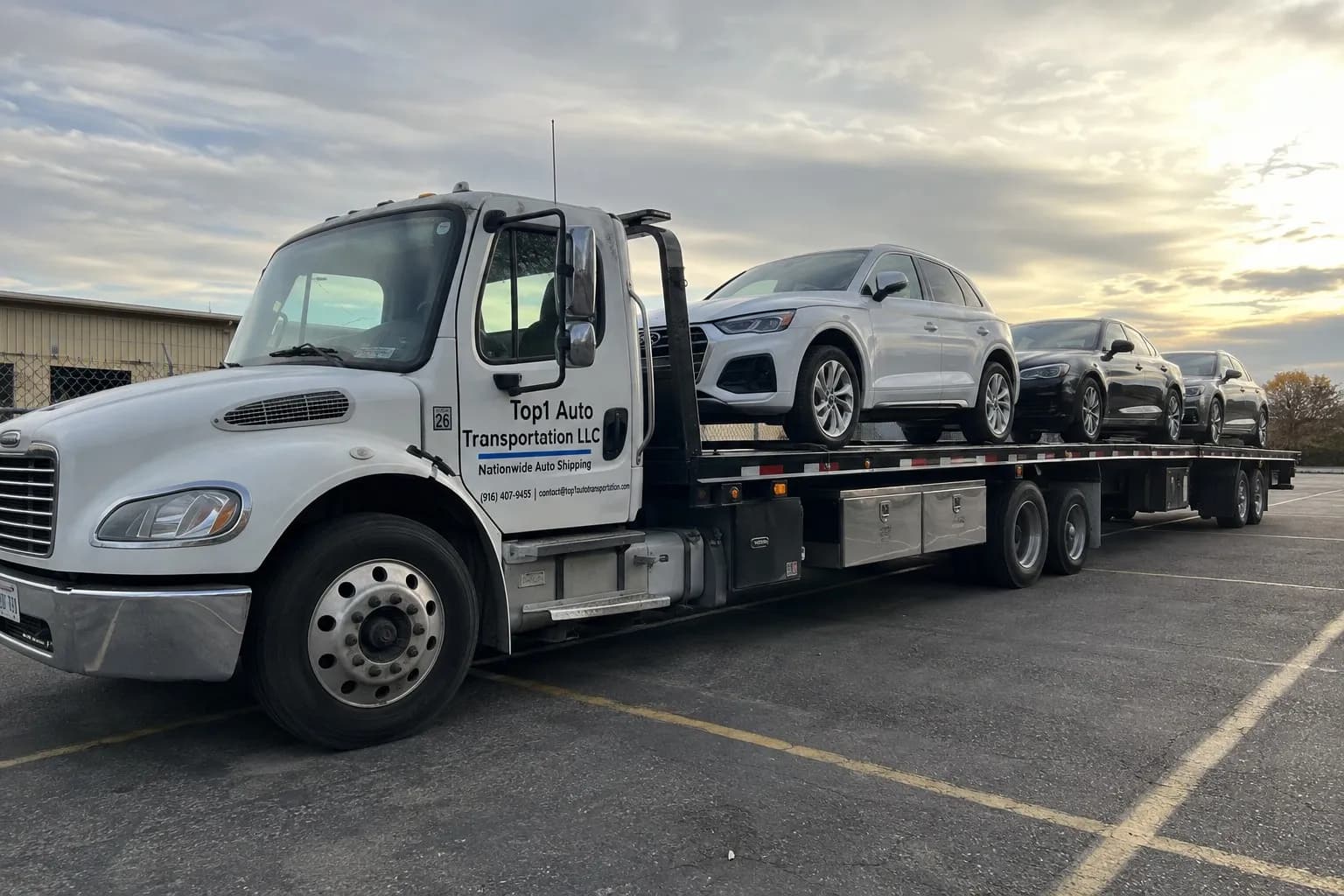
Open transport is the standard, cost-effective choice and handles the large majority of shipments on this route without issue. Vehicles ride exposed to weather on a multi-car carrier, the same setup used on any interstate haul.
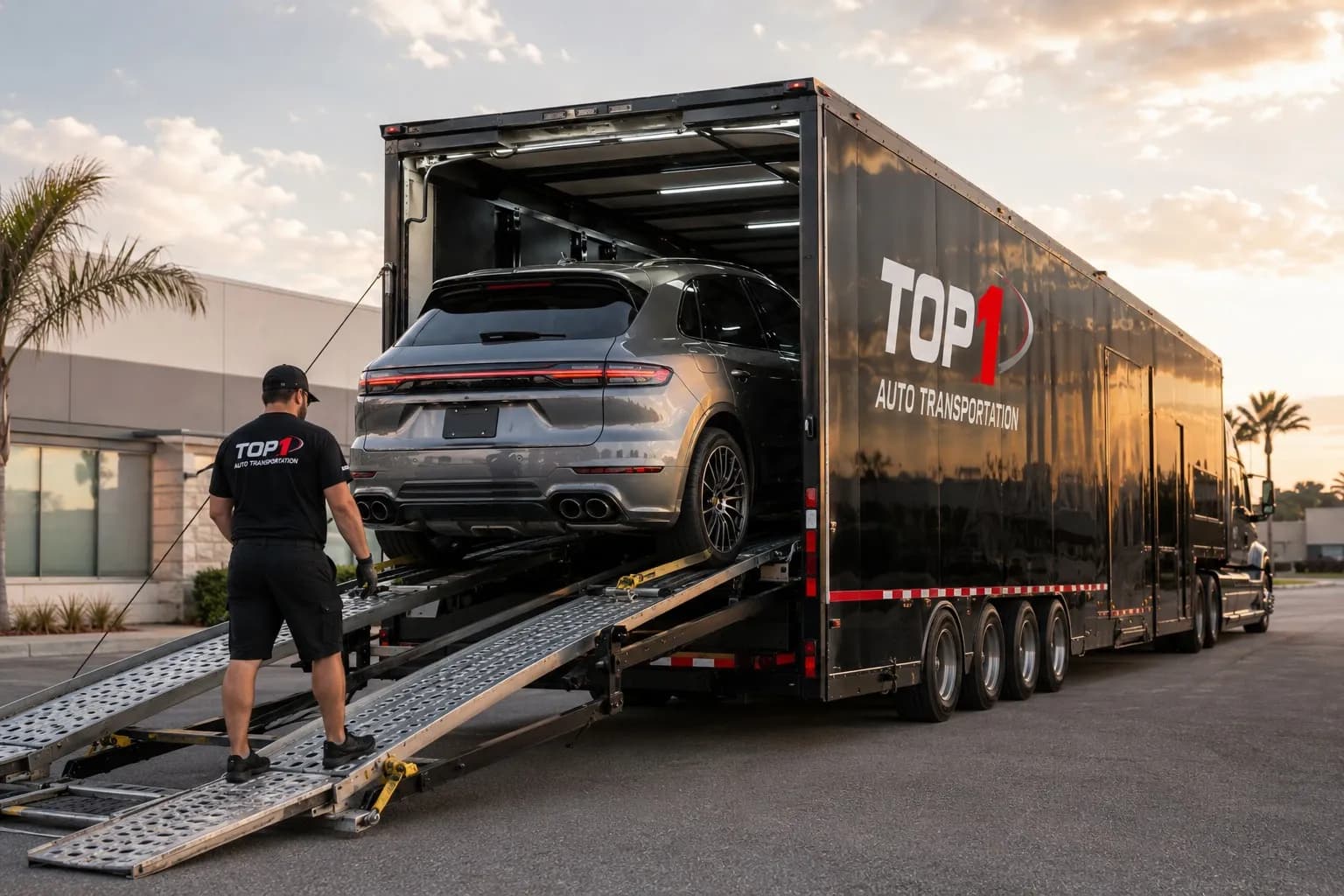
Enclosed transport protects your vehicle from road debris and weather across the full length of a cross-country trip, which matters more here simply because there's more distance and more exposure than on a shorter route. It's worth the added cost for classic, luxury, or otherwise high-value vehicles. For a standard daily driver, open transport remains the practical choice for most people shipping this corridor.
How to Prepare Your Vehicle
- Wash the car before pickup so any existing scratches or dents are easy to document on the inspection report.
- Take your own timestamped photos from all four angles as a backup record alongside the driver's inspection.
- Remove all personal items and valuables. On a shipment this long, carriers generally don't insure personal belongings left inside the vehicle.
- Remove toll tags, since an active transponder can rack up unexpected charges over a multi-day, multi-state trip.
- Leave a quarter tank of gas, enough for loading and short distances without adding unnecessary weight.
Registering Your Vehicle After the Move
If you're relocating to California, know that the state requires new residents to register an out-of-state vehicle within a set window after establishing residency, so it's worth planning your shipment timeline with that deadline in mind rather than treating registration as an afterthought once the car arrives. California also has emissions requirements that differ from Georgia's, so it's worth confirming your vehicle meets current state standards before or shortly after it arrives. If you're relocating from California back to Georgia, Georgia has its own registration window for new residents as well.
Check current requirements with your state's DMV directly, since registration windows and emissions rules can change and vary based on your specific circumstances.
What to Expect from the Process
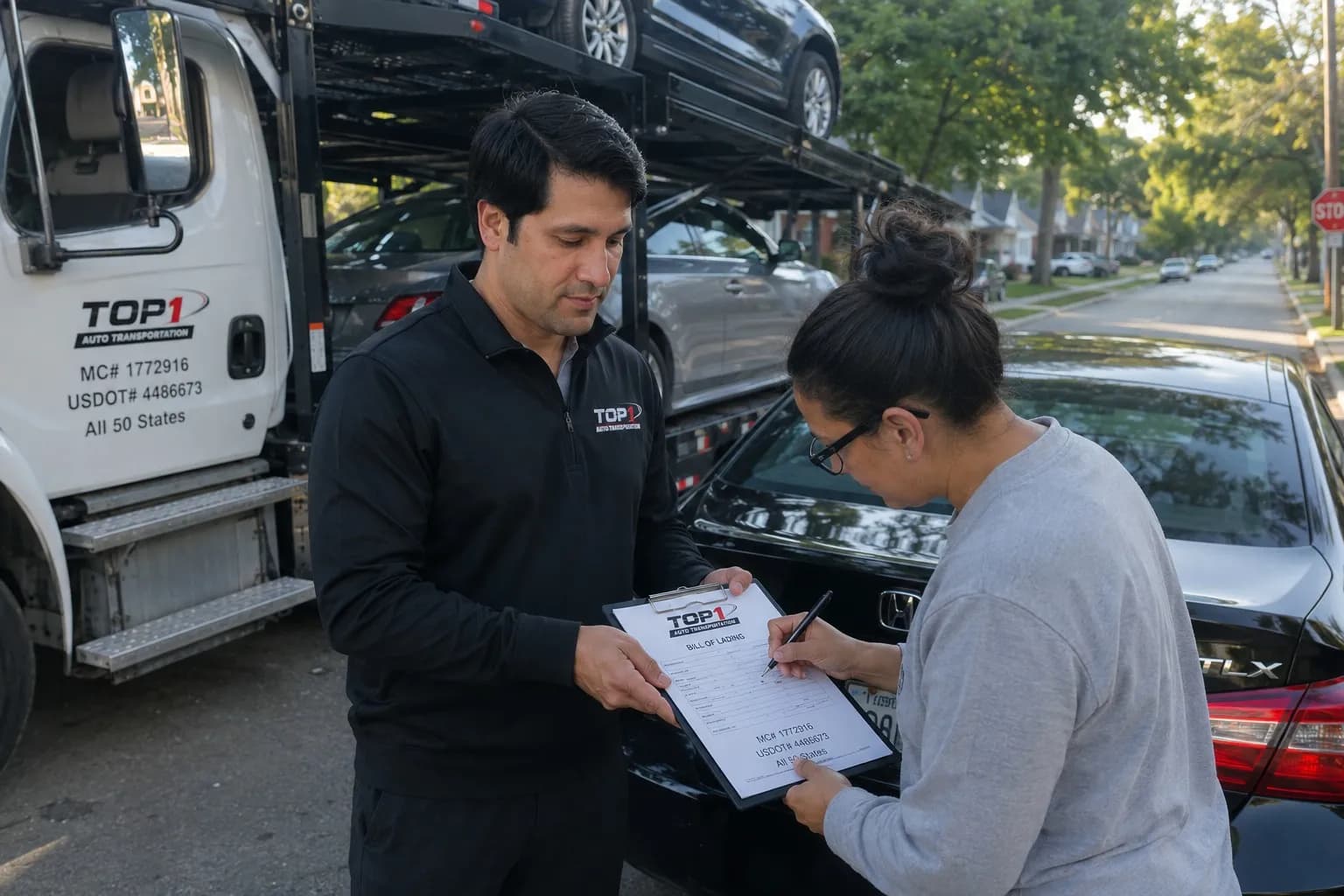
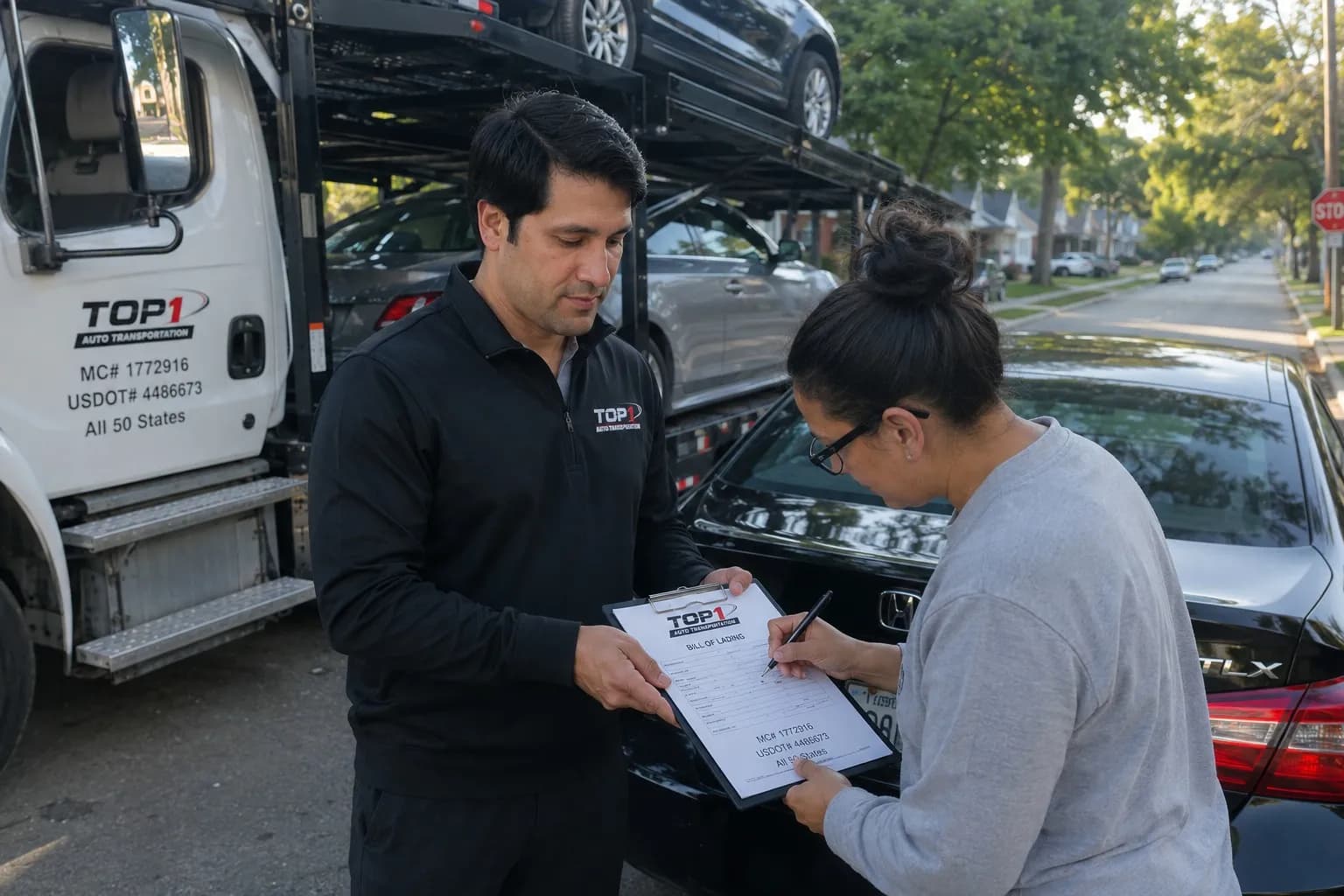
You provide pickup and delivery details, vehicle information, and preferred dates; a carrier gets matched to your route; the driver contacts you to confirm a pickup window; a joint inspection is documented on a bill of lading at pickup; the vehicle travels the route; and a matching inspection happens at delivery before you sign off.
Read the bill of lading carefully at both ends. It's the document any damage claim would be based on, so note anything unexpected before signing rather than after.
Top1 Auto Transportation is a licensed nationwide auto transport broker. You can start with an instant quote or contact our advisors if your move involves military orders, multiple vehicles, or a tight closing date.
Ready to get a quote for your Georgia to California shipment? Contact Top1 Auto Transport for a rate based on your exact cities, vehicle, and timeline.
Frequently Asked Questions
- How much does it cost to ship a car from Georgia to California?
- Most sedans ship for $1,100 to $1,700 on open transport, with SUVs and trucks running higher. Enclosed transport typically runs 70 to 90% more on this route.
- How long does it take to ship a car cross country from Georgia to California?
- Plan for 5 to 9 days in transit, plus 1 to 3 days for carrier assignment.
- Is it more expensive to ship from California to Georgia than the reverse?
- Pricing is generally similar in both directions. What affects cost most is your exact cities, the season, and your vehicle, not which direction you're shipping.
- Do I need to register my car when I move to California?
- Yes, California requires new residents to register an out-of-state vehicle within a set window after establishing residency, and has emissions requirements that differ from Georgia's. Confirm current rules with the California DMV.
- Is it cheaper to ship in a specific season?
- Generally yes. Summer and early fall are the busiest months for cross-country shipping and tend to carry higher pricing. Winter and spring, outside major holiday weeks, are often more affordable.
- Can I ship a car that doesn't run?
- Yes, most carriers can transport a non-running vehicle using a winch, but disclose this when booking since it typically adds a fee and requires the right equipment.