





Florida to Indiana Car Shipping: Cost, Timeline, and Snowbird Season Pricing
Ship a car between Florida and Indiana for about $550–$1,100 in 3–5 days. See snowbird season pricing, popular routes, and how timing affects cost.
- Route Guides
- Florida
- Indiana
- Pricing

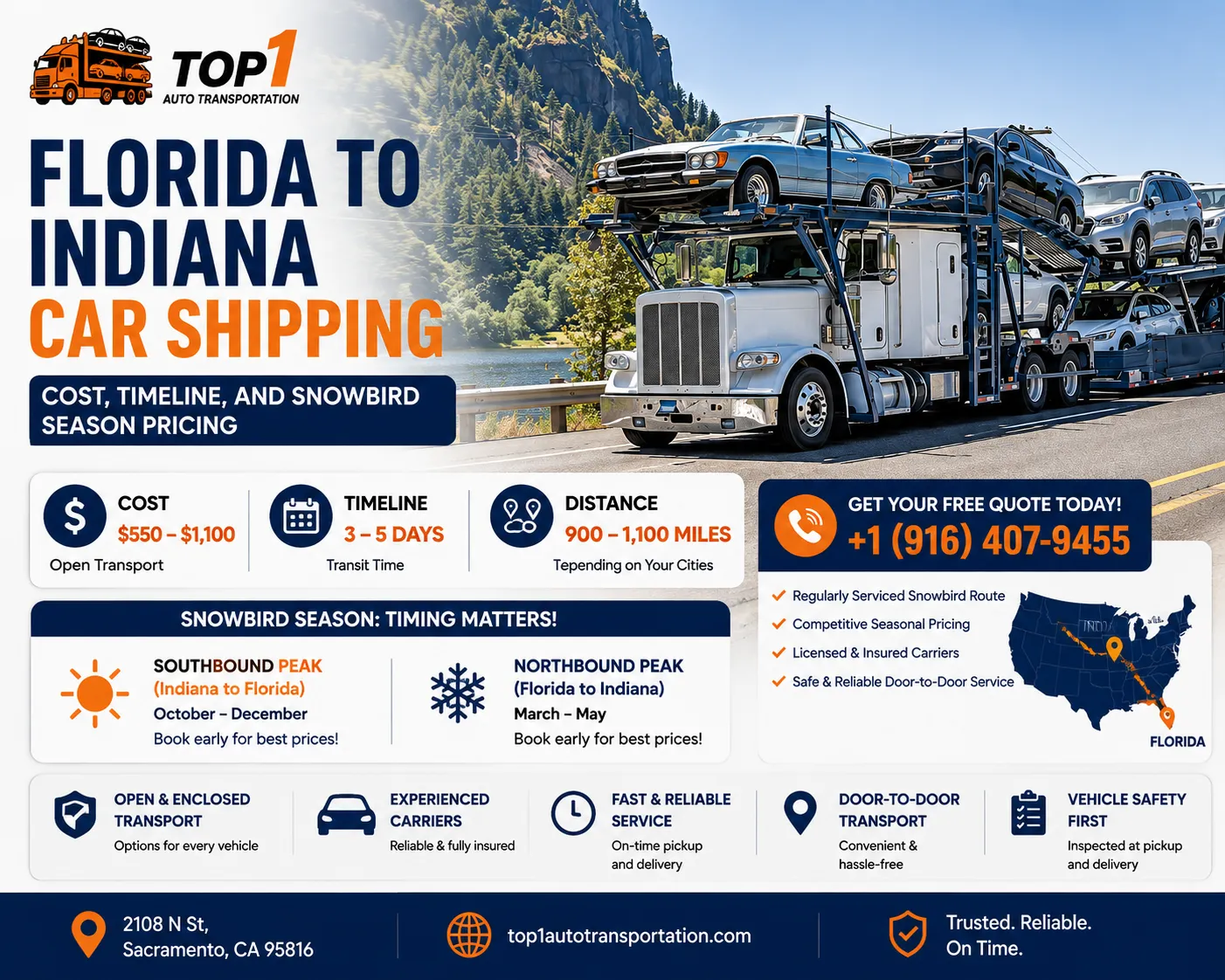
Shipping a car between Florida and Indiana typically costs between $550 and $1,100 for open transport, with transit taking 3 to 5 days after pickup. This is one of the more active snowbird corridors in the country, and the timing of your shipment matters more here than on most routes — the two directions actually peak at different times of year, and booking around that can meaningfully affect what you pay.
Quick facts: Florida to Indiana car shipping
| Factor | Typical range |
|---|---|
| Distance | About 900 – 1,200 miles |
| Open transport cost (sedan) | $550 – $1,100 |
| Enclosed transport (sedan) | $1,000 – $1,700 |
| In-transit time | 3 – 5 days |
| Carrier match + pickup | Often 1 – 3 days |
| Best default option | Open car transport |
Ready for a number based on your exact ZIP codes? Get a free Florida to Indiana quote.
How Much Does It Cost to Ship a Car Between Florida and Indiana?
This is a wide range because pricing on this corridor swings meaningfully with the season. During off-peak months, sedan pricing often lands closer to $550 to $700. During peak snowbird demand, that same shipment can push toward $900 to $1,100 as carrier capacity tightens.
| Vehicle Type | Open Transport | Enclosed Transport |
|---|---|---|
| Sedan / Coupe | $550 – $1,100 | $1,000 – $1,700 |
| SUV / Crossover | $650 – $1,300 | $1,200 – $1,900 |
| Pickup Truck | $700 – $1,400 | $1,300 – $2,000 |
| Non-Running Vehicle | Add $150 – $300 | Add $150 – $300 |
What Actually Moves the Price on This Route
- Season, more than almost any other factor. This is the single biggest driver of cost on this specific corridor, more so than most routes, because of how concentrated snowbird demand is in certain months.
- Direction matters too. Indiana-to-Florida (southbound) shipments peak October through December. Florida-to-Indiana (northbound) shipments peak March through May. Shipping against the seasonal grain, rather than with it, often means better pricing and faster carrier matching.
- Exact cities. Indianapolis to Tampa is a shorter, more heavily traveled pairing than a shipment touching smaller cities on either end, which keeps that specific route toward the more competitive end of pricing.
- Vehicle size and running condition. Larger vehicles and non-running cars both add cost, consistent with any route.
- Booking lead time. During peak snowbird windows, booking 2 to 3 weeks ahead, and some sources recommend 6 to 8 weeks for the most competitive pricing, makes a real difference in both price and pickup availability.
Snowbird Season: Why Timing Matters More on This Route
Florida to Indiana is a genuine snowbird corridor, meaning a large share of shipments follow the same seasonal migration pattern every year, and it runs in two directions on two different schedules:
- Southbound (Indiana to Florida): Peaks October through December, as Indiana residents ship their vehicles south for the winter. Carrier capacity tightens during this window, and sedan pricing typically climbs toward the higher end of the range.
- Northbound (Florida to Indiana): Peaks March through May, as the same vehicles head back north for the warmer months. This is a separate demand spike from the southbound rush, not a mirror of it.
If your move has any flexibility, shipping just before or after these peak windows, rather than during them, generally gets you better pricing and more carrier options. If you're locked into a peak-season date, booking well in advance is the best way to protect your price and pickup timing.
How Long Does Florida to Indiana Car Shipping Take?
Once a carrier is assigned, transit typically runs 3 to 5 days. Add another 1 to 3 days for a carrier to be matched to your shipment, which can stretch slightly longer during peak snowbird months when demand is highest.
A realistic timeline looks like this:
- Booking to carrier assignment: 1 to 3 days, longer during October–December or March–May peak windows.
- Pickup window: Typically within a day or two of carrier assignment outside of peak season.
- In-transit time: 3 to 5 days, with carriers commonly routing along I-75 through Georgia and Tennessee, connecting to I-65 into Indiana.
Most shipments complete within 4 to 8 days from booking to delivery. If you need faster service, expedited pickup is generally available on this route, though it's worth booking further ahead during peak season if timing matters to you. How it works covers each step in more detail.
Popular Florida to Indiana Routes
- Indianapolis to Tampa — the highest-volume pairing on this corridor, connecting Indiana's largest metro with one of Florida's biggest snowbird destinations.
- Fort Wayne to Miami — a longer eastward-leaning route on the Florida side, still well-served given the overall traffic on this corridor.
- Evansville to Jacksonville — a common pairing for the northern Florida side of this route.
- Fort Wayne to Tampa — similar profile to Indianapolis-Tampa, with slightly less carrier density given the smaller origin city.
On the Florida side, delivery volume splits between the Gulf Coast (Tampa, Sarasota, Fort Myers, Naples) and the Atlantic side (Miami, Fort Lauderdale, Jacksonville), with Orlando sitting roughly central to both. On the Indiana side, pickup volume concentrates around Indianapolis and its surrounding metro, along with Fort Wayne, Evansville, Bloomington, and South Bend.
Open vs. Enclosed Transport
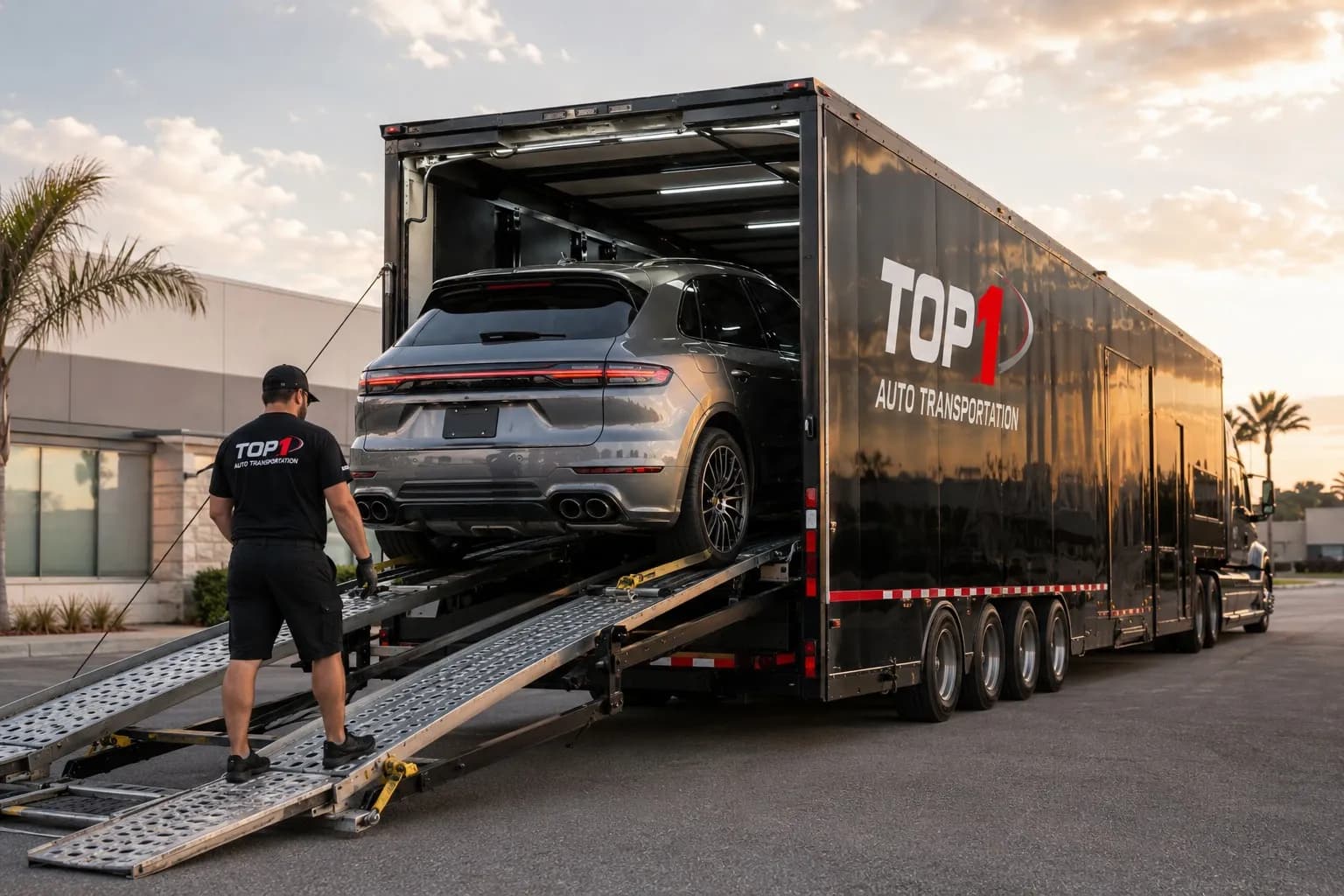
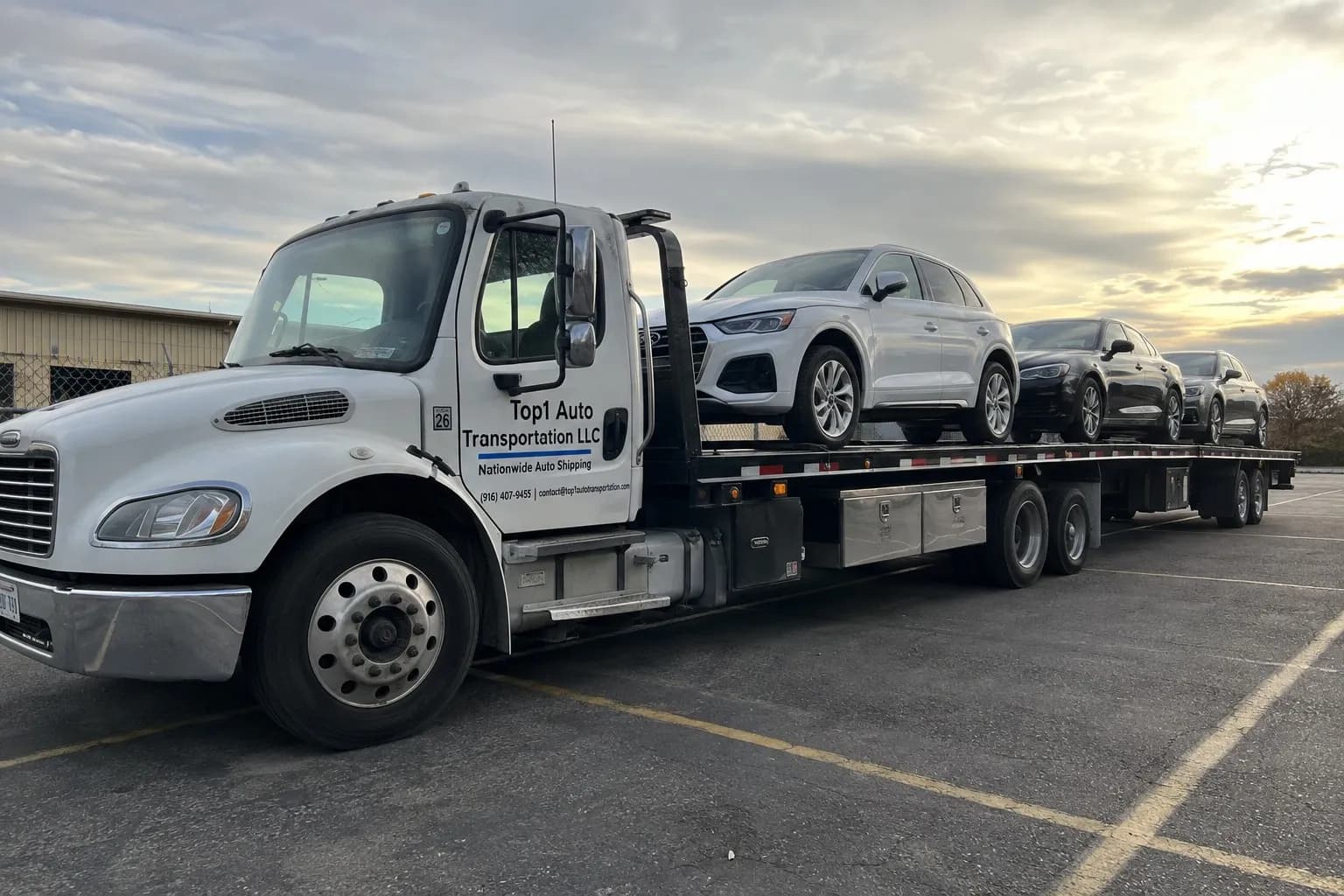
Open transport is the standard, cost-effective choice for most vehicles on this route and handles the vast majority of snowbird shipments without issue.
Enclosed transport adds 40 to 70% to the cost but protects your vehicle from road debris and weather, which is worth it for classic, luxury, or otherwise higher-value vehicles. For a standard daily driver making a seasonal move, open transport remains the practical choice.
How to Prepare Your Vehicle
- Wash the car before pickup so any existing scratches or dents are easy to document on the inspection report.
- Take your own timestamped photos from all four angles as a backup record alongside the driver's inspection.
- Remove toll tags, since an active transponder can rack up unexpected charges while the vehicle is in transit across state lines.
- Leave a quarter tank of gas, enough for loading and short distances without adding unnecessary weight.
- If shipping during peak snowbird season, book earlier than you think you need to. Carrier spots on this corridor fill up fast in the weeks surrounding both seasonal peaks, and last-minute bookings during those windows tend to cost more and take longer to schedule.
What to Expect from the Process
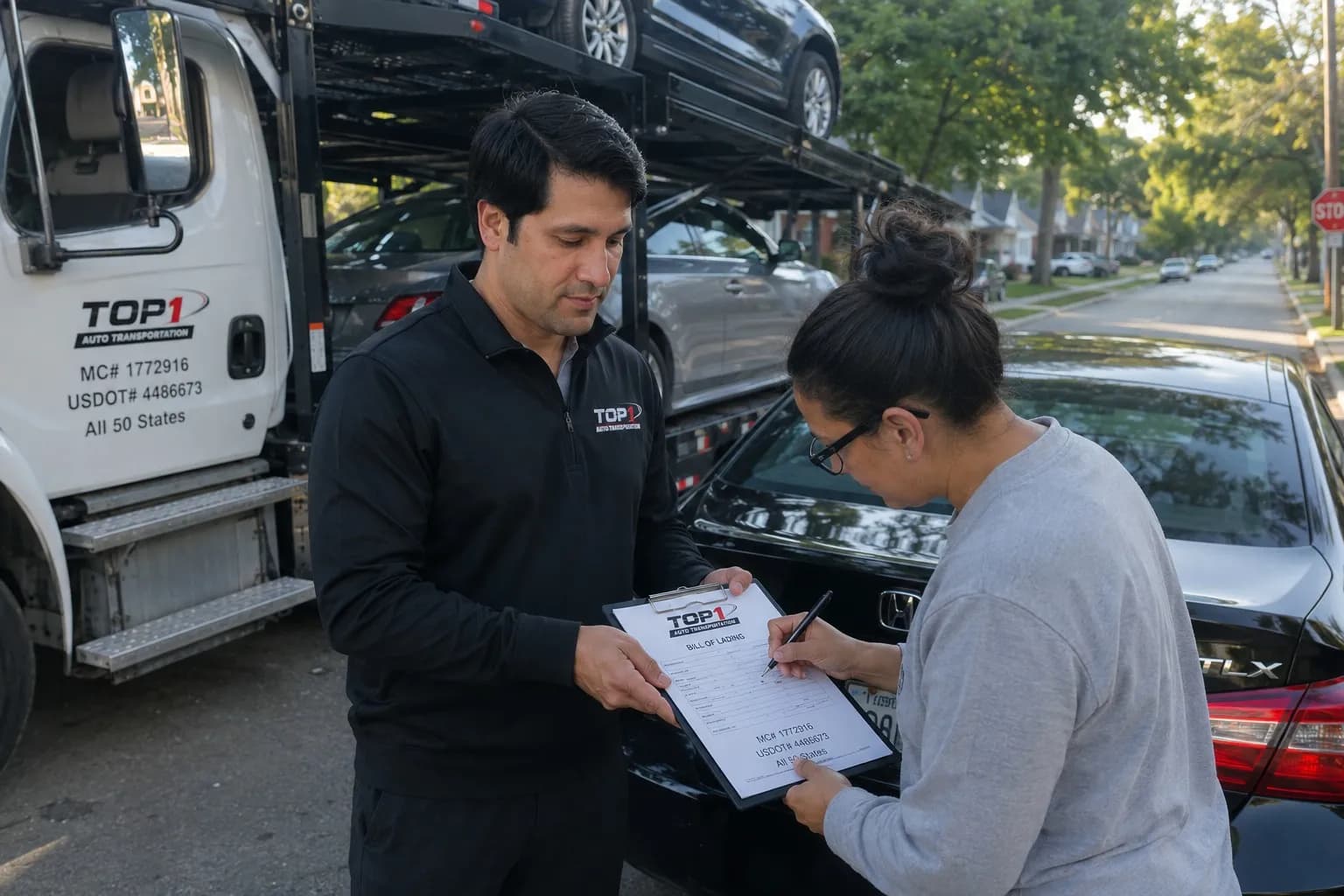
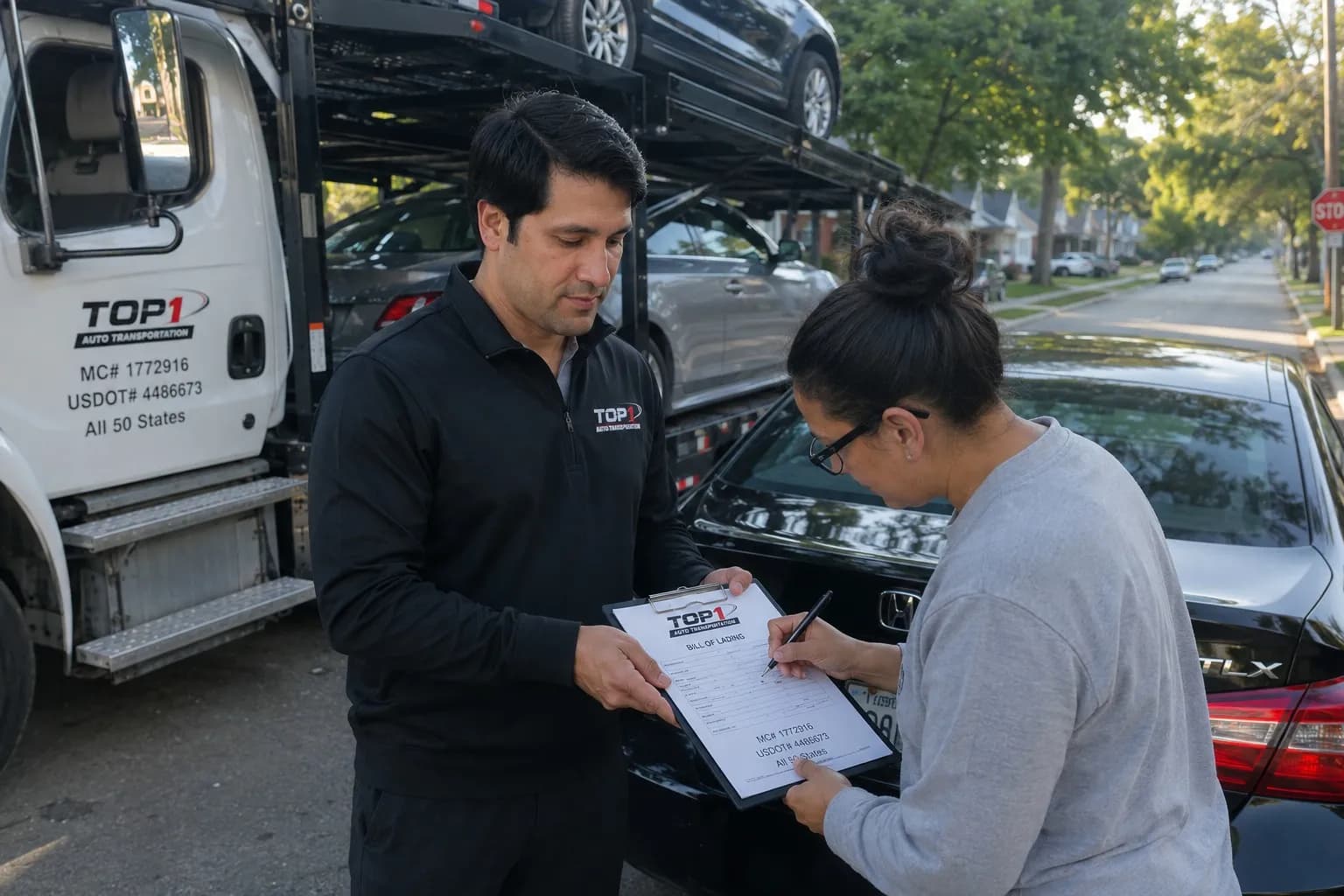
You provide pickup and delivery details, vehicle information, and preferred dates; a carrier is matched to your route; the driver contacts you to confirm a pickup window; a joint inspection is documented on a bill of lading at pickup; the vehicle travels the route, generally along I-75 and I-65; and a matching inspection happens at delivery before you sign off.
Read the bill of lading carefully at both ends. It's the document any damage claim would be based on, so note anything unexpected before signing rather than after.
Top1 Auto Transportation is a licensed nationwide auto transport broker. You can start with an instant quote or contact our advisors if your move involves military orders, multiple vehicles, or a tight closing date.
Ready to get a quote for your Florida to Indiana shipment? Contact Top1 Auto Transport for a rate based on your exact cities, vehicle, and timing.
Frequently Asked Questions
- How much does it cost to ship a car from Florida to Indiana?
- Most sedans ship for $550 to $1,100 on open transport depending on the season, with SUVs and trucks running higher. Enclosed transport typically adds 40 to 70%.
- How long does it take to ship a car between Florida and Indiana?
- Plan for 3 to 5 days in transit, plus 1 to 3 days for carrier assignment, longer during peak snowbird months.
- When do snowbirds ship their cars on this route?
- Southbound shipments (Indiana to Florida) peak October through December. Northbound shipments (Florida to Indiana) peak March through May.
- Is it cheaper to ship in spring or fall on this route?
- It depends on direction. Shipping against the seasonal peak, for example shipping southbound outside of October through December, generally means better pricing and more carrier availability than shipping during the rush.
- How far in advance should I book during peak season?
- 2 to 3 weeks ahead is a reasonable minimum during peak snowbird windows, and booking 6 to 8 weeks out can help lock in more competitive pricing if your dates are flexible.
- Can I ship a car that doesn't run?
- Yes, most carriers can transport a non-running vehicle using a winch, but disclose this when booking since it typically adds a fee and requires the right equipment.