


Alabama to Texas Auto Transport: Cost, Timeline, and How the Process Actually Works
Ship a car from Alabama to Texas for about $700–$1,300 in 2–5 days. See open vs enclosed pricing, popular routes, timelines, and how door-to-door auto transport works.
- Route Guides
- Alabama
- Texas
- Pricing
Shipping a car from Alabama to Texas typically costs $700 to $1,300 and takes 2 to 5 days in transit, depending on the vehicle, the exact cities involved, and whether you choose open or enclosed transport. If you're relocating, buying a vehicle out of state, or sending a car to a family member, this guide explains what shapes that price, how pickup-to-delivery works, and how to avoid mistakes that slow shipments down or drive up cost.
Quick facts: Alabama to Texas car shipping
| Factor | Typical range |
|---|---|
| Distance | About 700–950 miles |
| Open transport cost (sedan) | $700 – $1,000 |
| Total cost range (most vehicles) | $700 – $1,300+ |
| In-transit time | 2 – 5 days |
| Carrier match + pickup | Often 1 – 3 days before departure |
| Best default option | Open car transport |
Ready for a number based on your exact ZIP codes? Get a free Alabama to Texas quote.
How Much Does It Cost to Ship a Car from Alabama to Texas?
The Alabama-to-Texas corridor runs roughly 700 to 950 miles depending on your starting and ending cities, which puts it in a mid-distance pricing band. Most sedans ship for $700 to $1,000 on an open carrier. Larger vehicles, enclosed transport, or shipments to farther-west Texas cities like El Paso push that number higher.
| Vehicle Type | Open Transport | Enclosed Transport |
|---|---|---|
| Sedan / Coupe | $700 – $950 | $1,100 – $1,500 |
| SUV / Crossover | $800 – $1,100 | $1,300 – $1,700 |
| Pickup Truck | $850 – $1,200 | $1,400 – $1,850 |
| Non-Running Vehicle | Add $150 – $300 | Add $150 – $300 |
These figures move with fuel prices, carrier availability on your specific route, and how far in advance you book. A quote is only as accurate as the details behind it, so treat any number you see online — including this one — as a starting range, not a fixed price. Top1 Auto Transportation prices each shipment from your real pickup and delivery points.
What Actually Moves the Price Up or Down
- Exact cities, not just states. Birmingham to Houston is a shorter, more heavily traveled lane than Mobile to El Paso. Shorter, high-traffic routes are cheaper because carriers can fill their trailers more efficiently.
- Vehicle size and weight. Every extra foot of trailer space a vehicle takes up reduces how many other cars a carrier can load, which gets passed on in price. Truck shipping and oversized vehicles sit higher in the band.
- Running condition. A car that doesn't start or drive needs a winch and extra loading time, which most carriers price as an add-on.
- Season. Late spring through summer is peak moving season nationally, and Texas sees a seasonal bump from snowbirds and PCS / military moves in and out of bases like Fort Bliss and Fort Cavazos. Booking during these windows costs more and takes longer to schedule.
- Timing flexibility. A fixed pickup date on a specific day costs more than a 2–3 day pickup window, because it limits which carriers can take the job.
How Long Does Alabama to Texas Auto Transport Take?
Once a carrier is assigned, transit typically runs 2 to 5 days depending on the exact route and drop-off city. Add another 1 to 3 days on the front end for a carrier to be matched to your shipment and complete pickup — this is often the part people underestimate, since the countdown starts at pickup, not at booking.
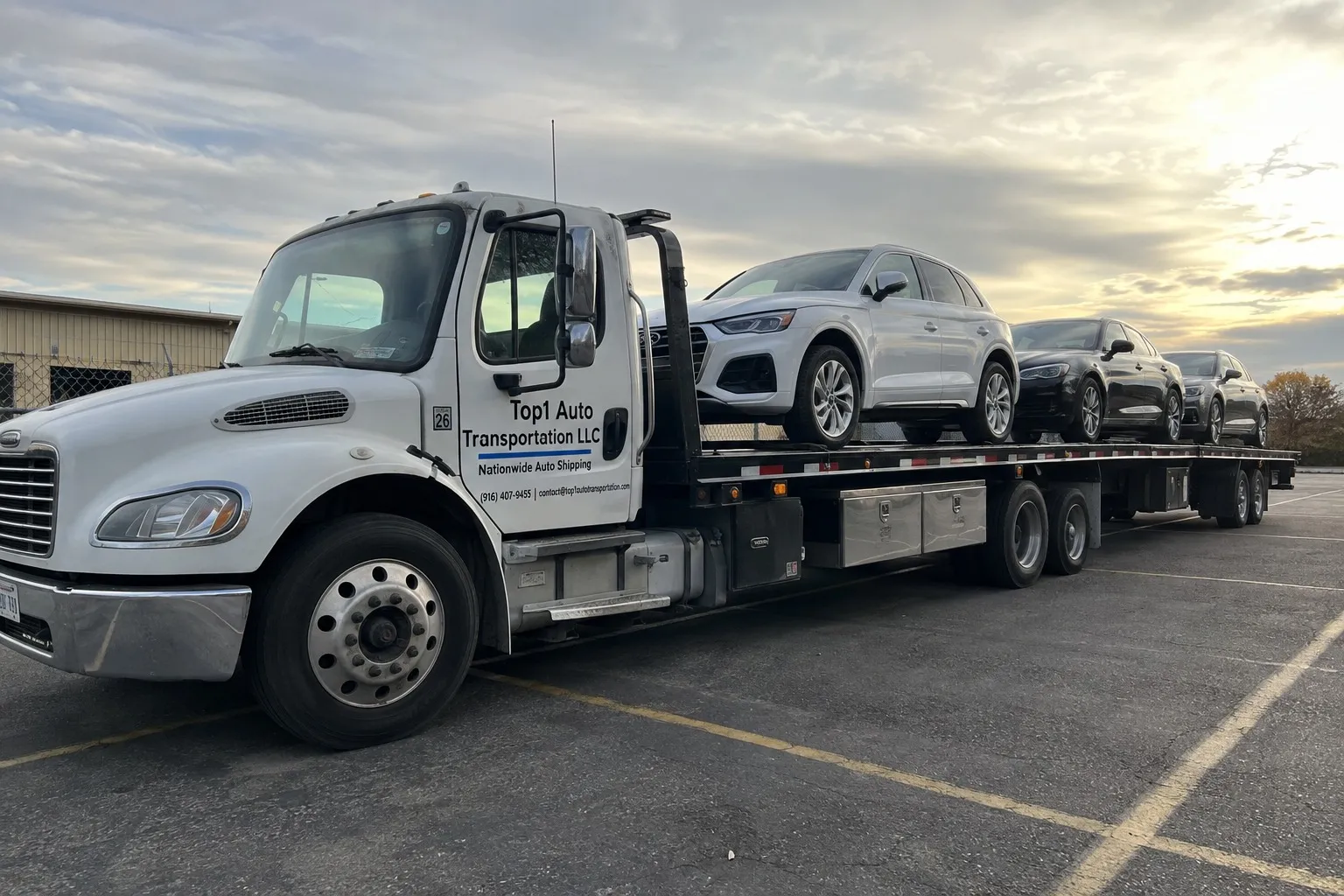
A realistic total timeline looks like this:
- Booking to carrier assignment: Same day to 3 days, depending on route demand.
- Pickup window: 1 to 3 days after the carrier is assigned.
- In-transit time: 2 to 5 days depending on distance and stops.
If your move has a hard deadline — closing on a house, a job start date, or a PCS report date — build in a buffer rather than booking for the exact day you need the car. How it works covers each step in more detail.
Open vs. Enclosed Transport: Which One Do You Need?
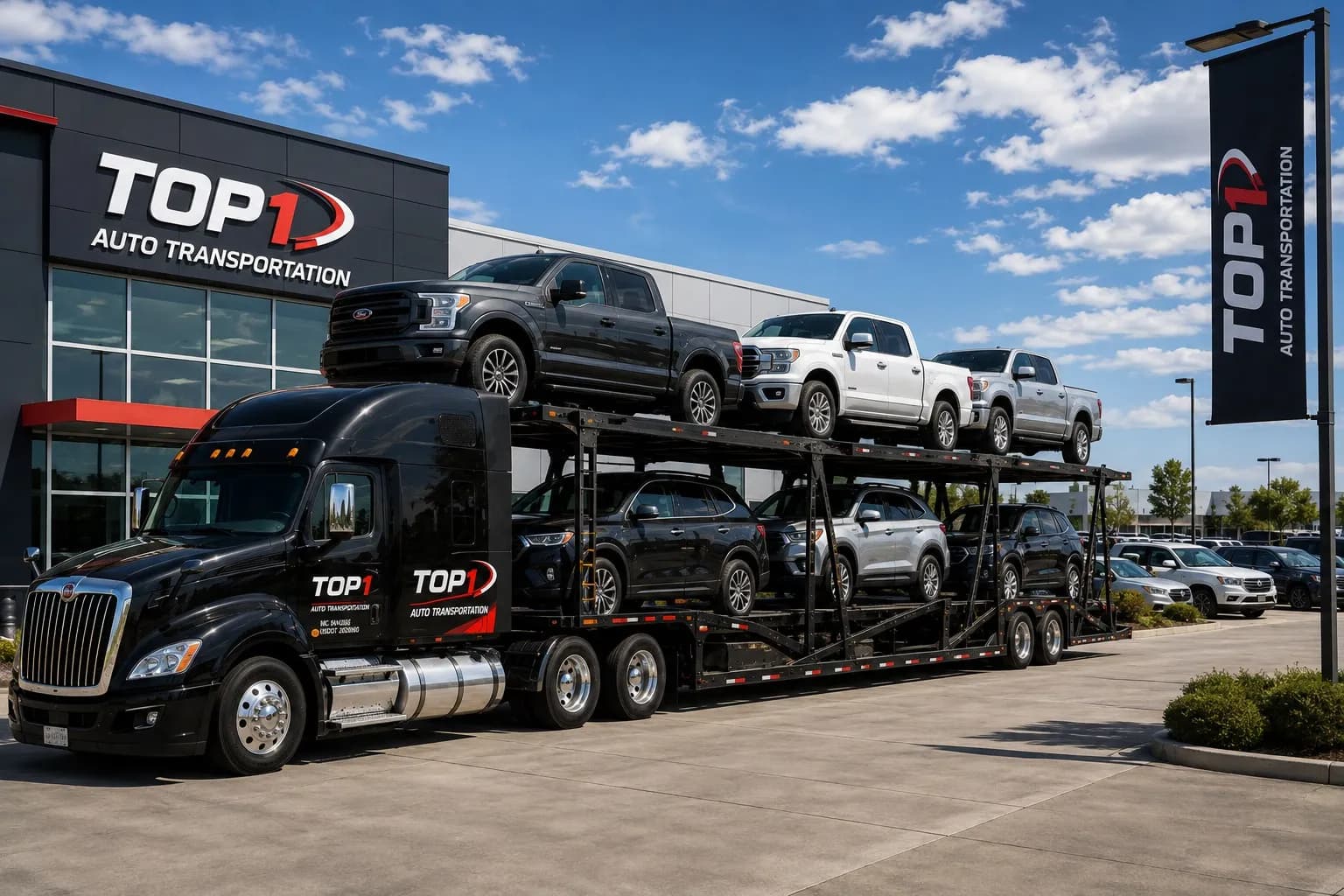
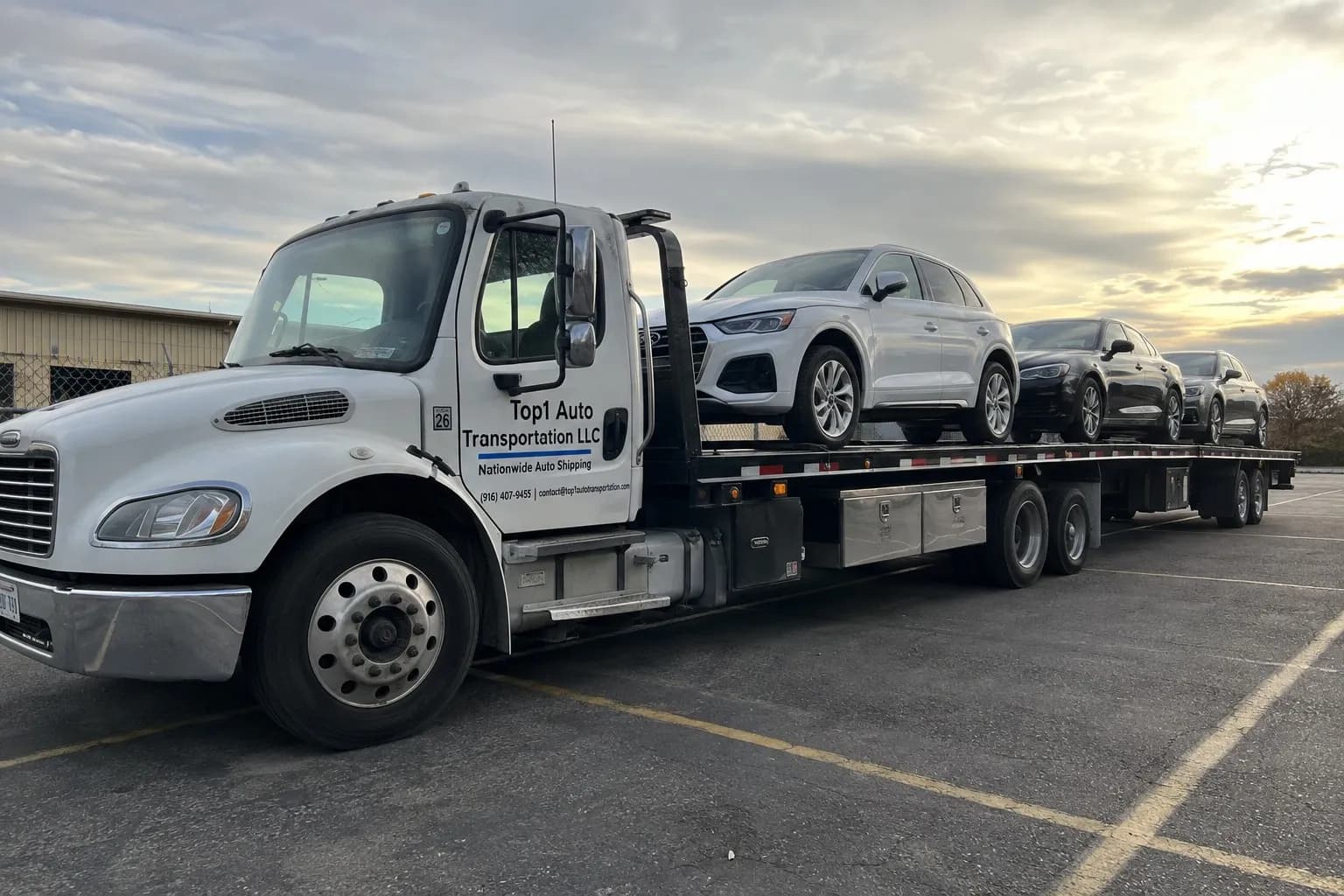
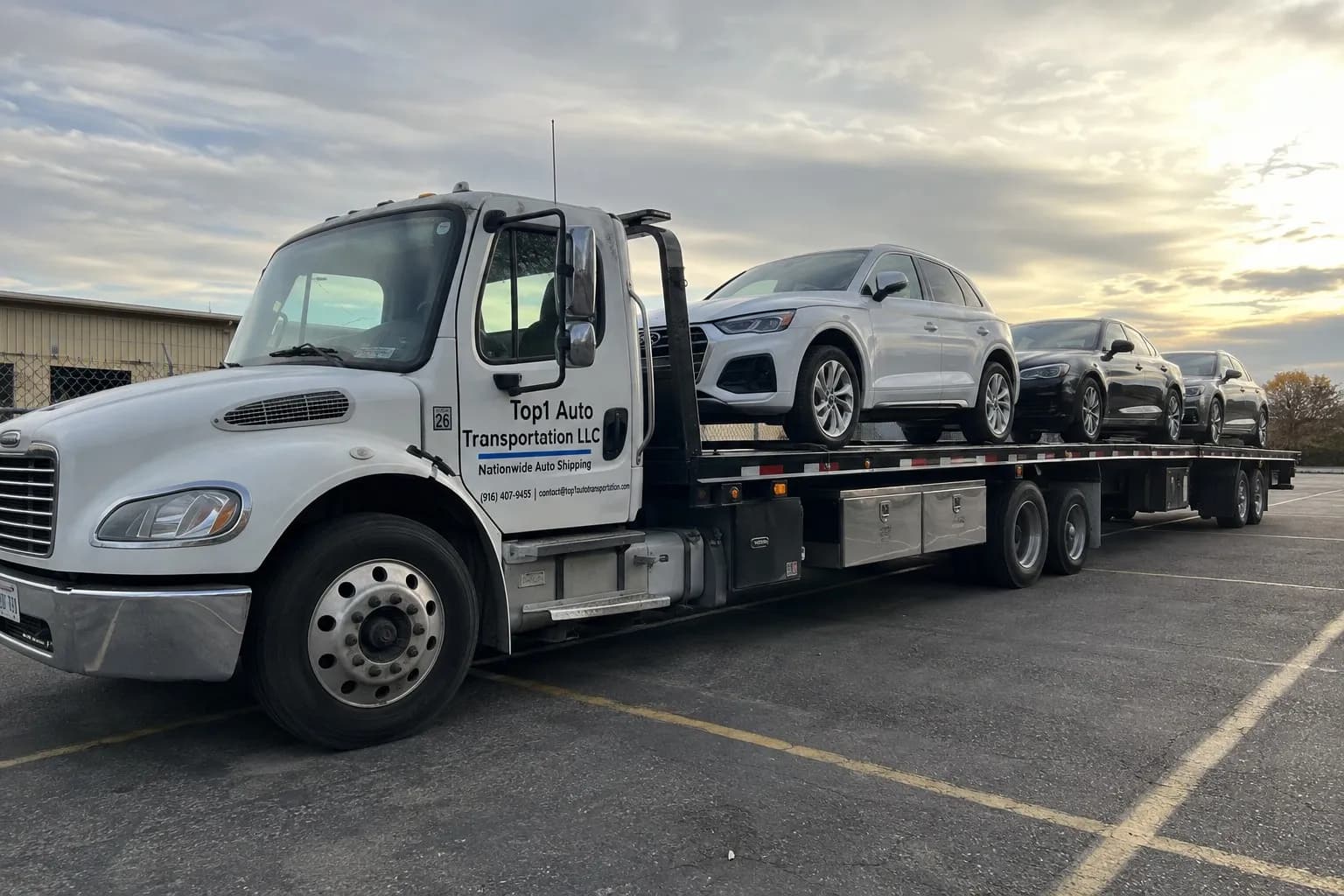
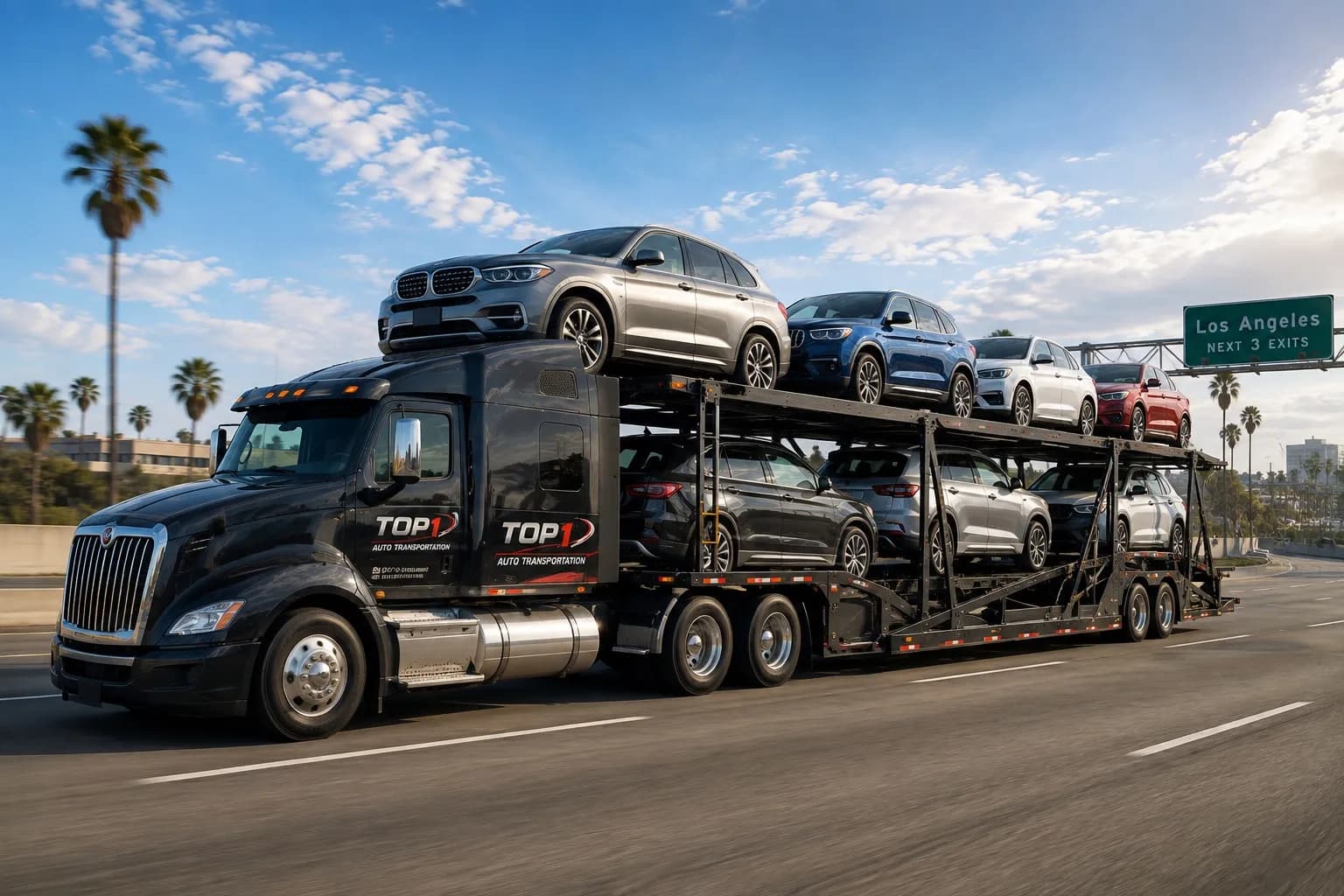
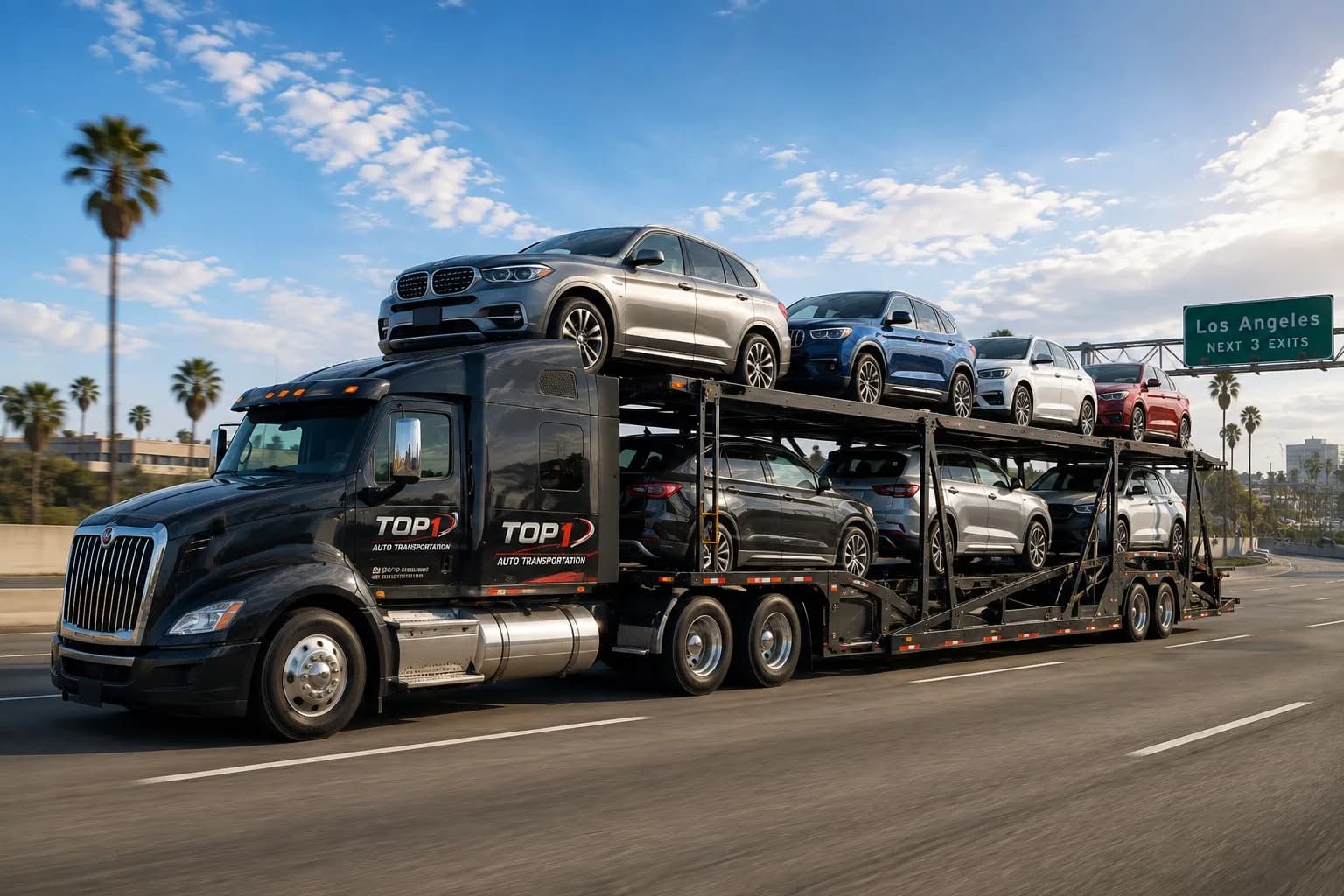
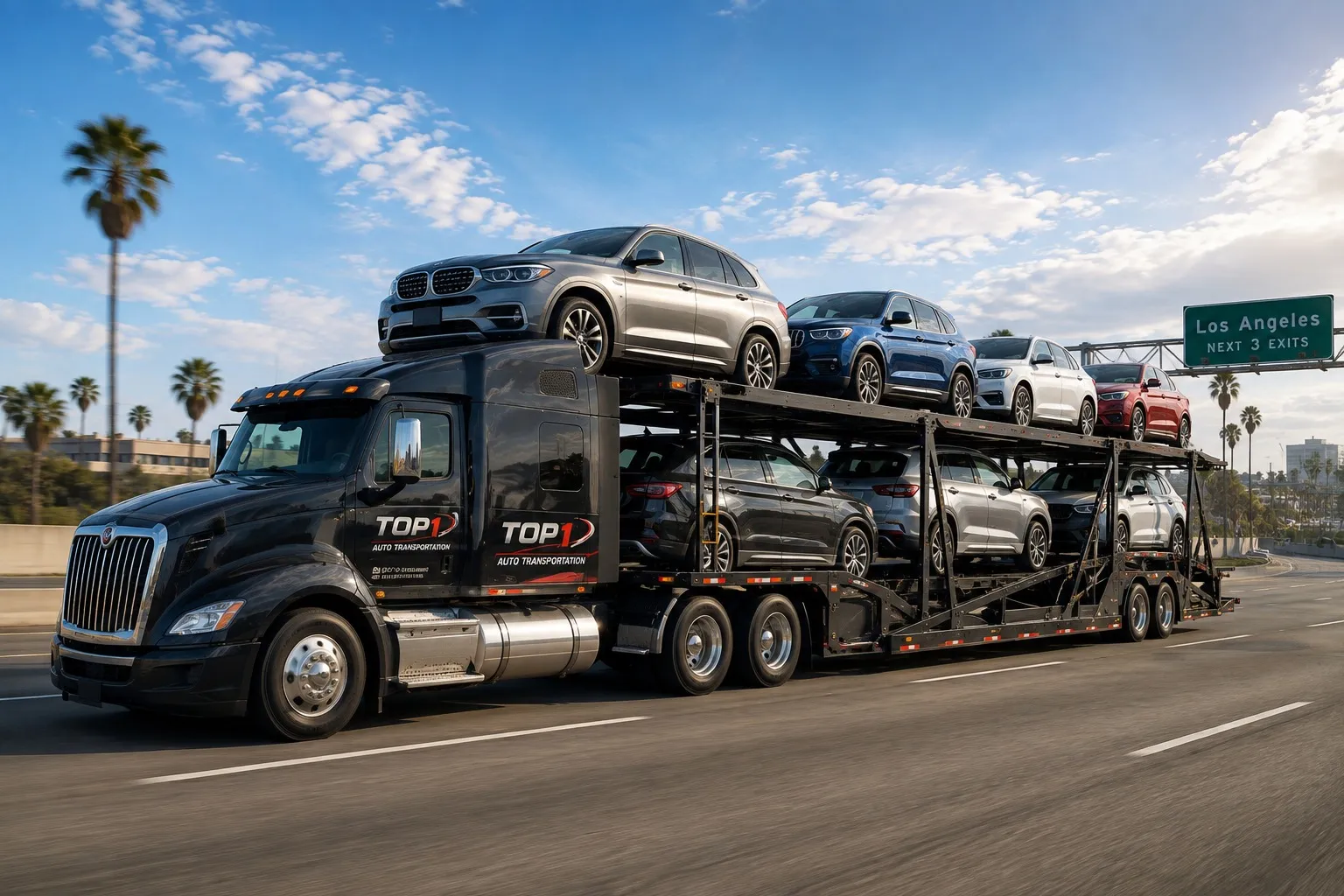
Open transport is what you see on the highway: multiple vehicles on a double-decker trailer, exposed to weather. It's the standard choice for most daily drivers and costs roughly 30–40% less than enclosed.
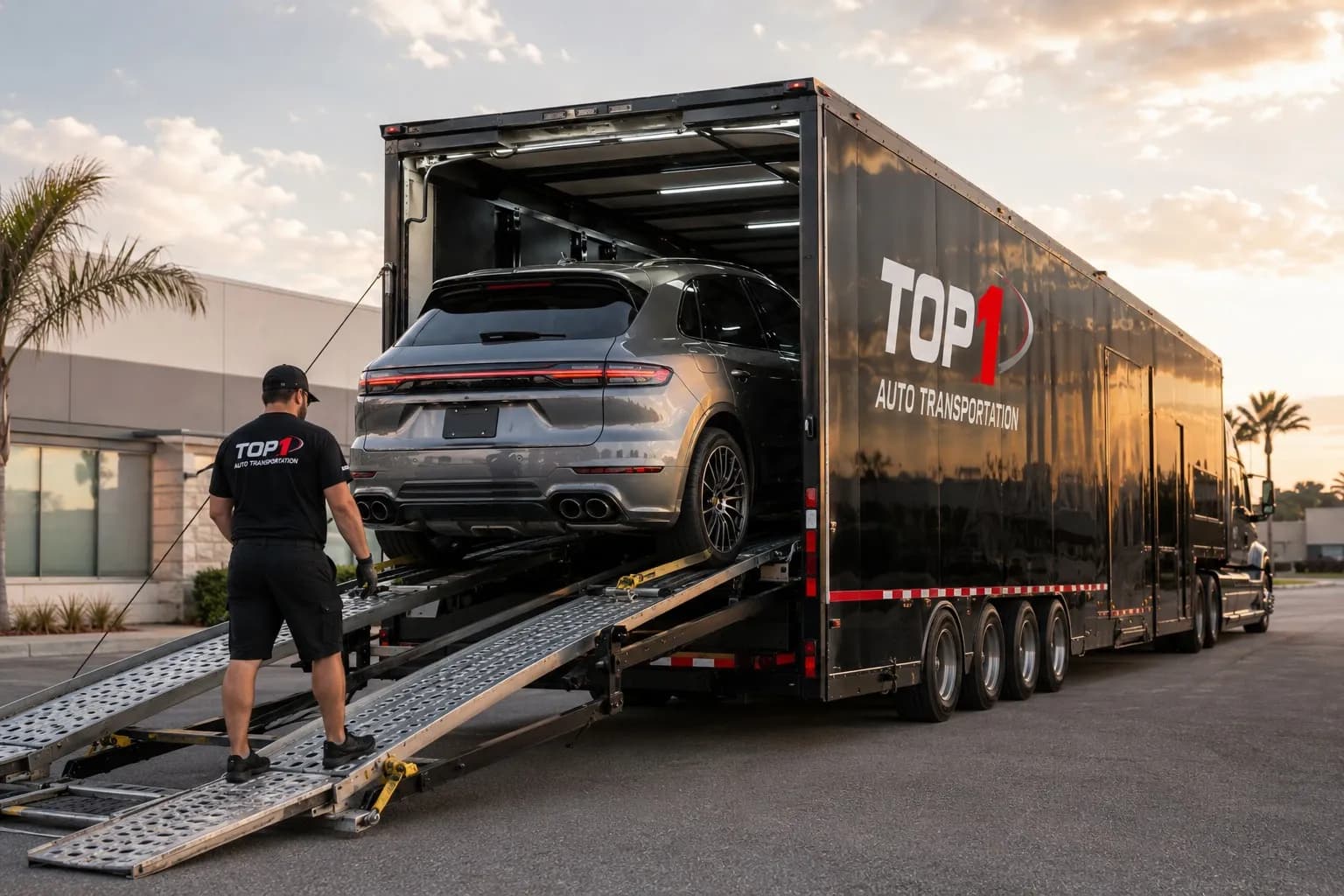
Enclosed transport puts your vehicle in a fully covered trailer, shielded from road debris, weather, and dust. It's worth the added cost for classic cars, exotic or luxury vehicles, and any car with a market value where a chip or scuff would matter to resale.
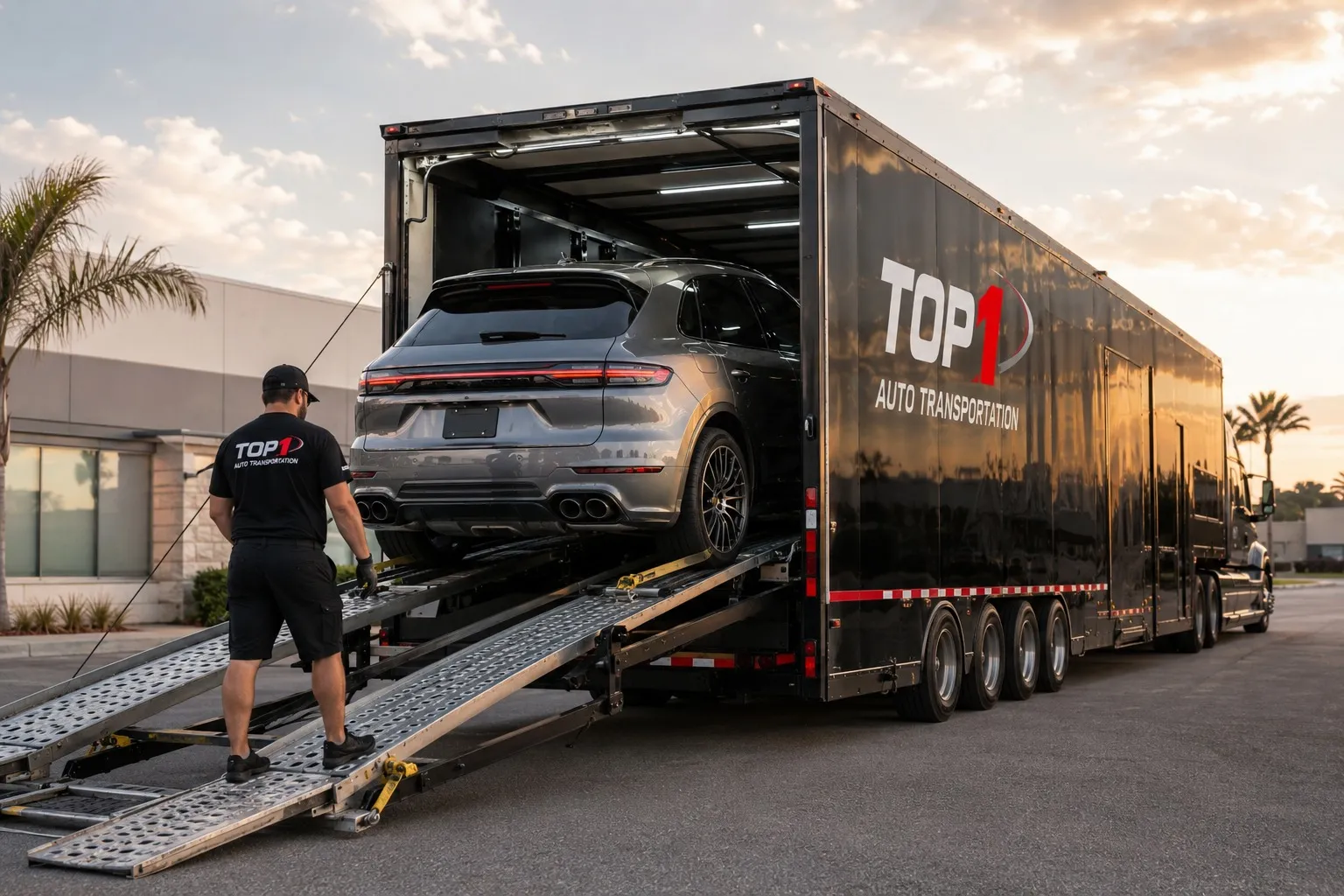
For a standard commuter car, sedan, or SUV, open transport is the practical choice almost every time. Enclosed is a specialty service, not an upgrade everyone needs.
Popular Alabama to Texas Routes
Certain city pairs on this corridor see more regular carrier traffic, which generally means more competitive pricing and shorter wait times for pickup.
- Birmingham to Houston — one of the more heavily traveled lanes on this route, driven by both relocation volume and dealer/auction activity.
- Montgomery to Dallas–Fort Worth — common for job relocations into the DFW metro.
- Mobile to San Antonio — a longer coastal-to-interior run, often used for military and family moves.
- Huntsville to Austin — a growing lane tied to tech and aerospace industry relocation between the two cities.
If your pickup or delivery point is in a smaller town rather than one of these metro areas, expect slightly longer wait times for a carrier, since drivers plan routes around major population centers first. That still fits under nationwide cross-country car shipping coverage — it just needs a realistic pickup window.
Door-to-Door vs. Terminal-to-Terminal
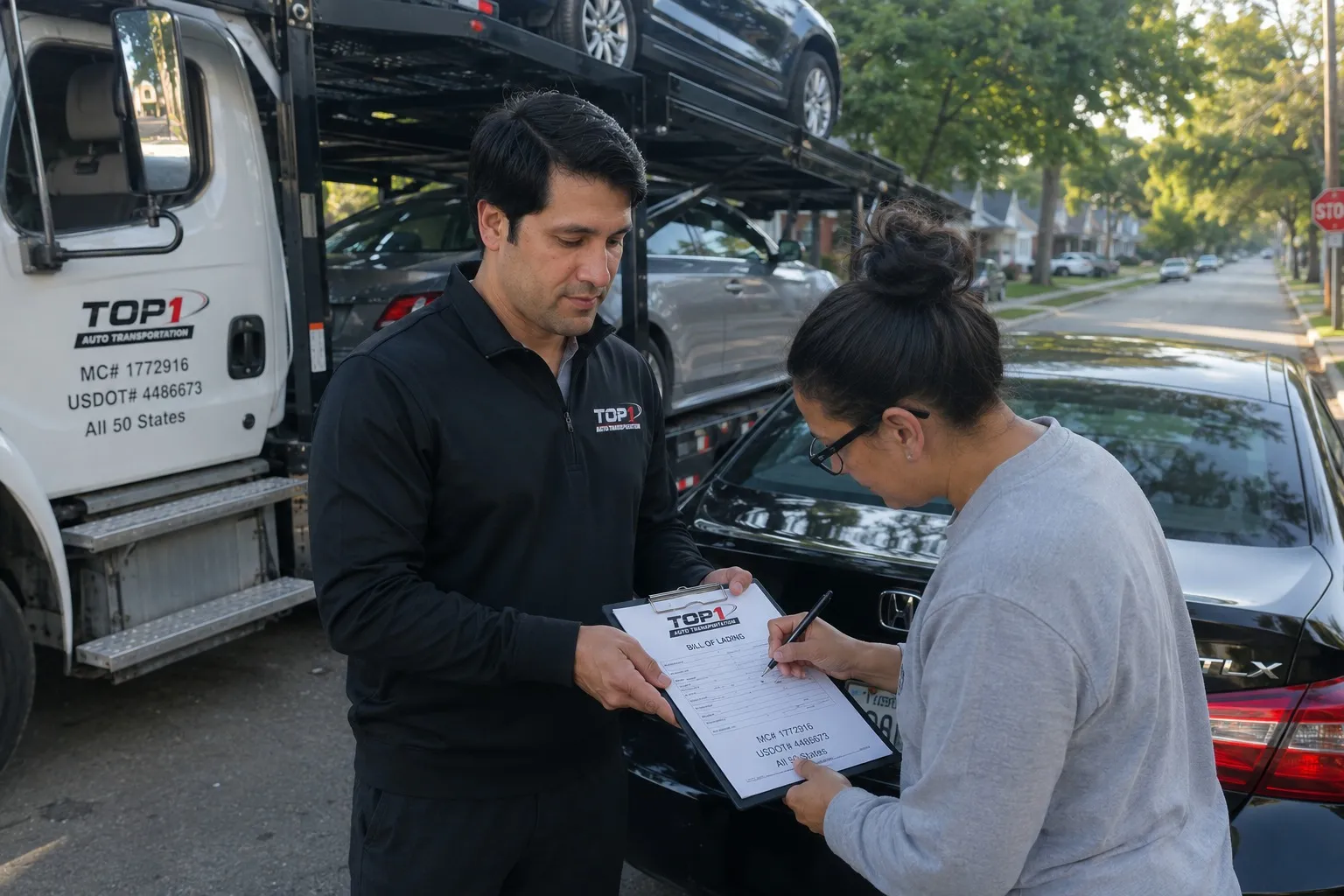
Door-to-door means the carrier picks up and delivers as close to your specified addresses as safely possible for a large truck — this is what most people choose, and it's the default with most transport companies today. On narrow residential streets or in gated communities, the driver may ask to meet at a nearby larger lot, like a shopping center, if a full-size trailer can't safely navigate the street.
Terminal-to-terminal means dropping the vehicle at a storage facility for the carrier to collect on their schedule, and picking it up from a terminal on the other end. It's less common now and mainly useful when your timing is flexible and you're trying to shave cost, since it removes the door-to-door convenience.
How to Prepare Your Vehicle for Shipping
A few steps on your end make pickup and delivery faster and protect you if any dispute comes up about vehicle condition:
- Wash the car before pickup. A clean vehicle makes it far easier to spot and document any existing scratches or dents on the inspection report.
- Take your own photos. Timestamped photos from all four angles, in addition to the driver's inspection report, give you a second record.
- Remove personal items. Carriers generally don't insure personal belongings left inside the vehicle, and extra weight isn't part of the agreed shipping terms.
- Leave a quarter tank of gas. Enough to load, unload, and drive short distances, without adding unnecessary weight.
- Disable toll tags and alarms. A car sitting on a trailer for days with an active toll transponder can rack up unexpected charges, and a triggered alarm mid-transit is an easy problem to avoid.
- Document existing damage. Every reputable carrier does a pre-pickup inspection — read it before you sign, not after.
What to Expect from the Booking Process
A straightforward Alabama to Texas shipment generally follows this sequence:
- You provide pickup and delivery locations, vehicle details, and preferred dates.
- A licensed carrier is matched to the route.
- The driver contacts you to confirm a pickup window.
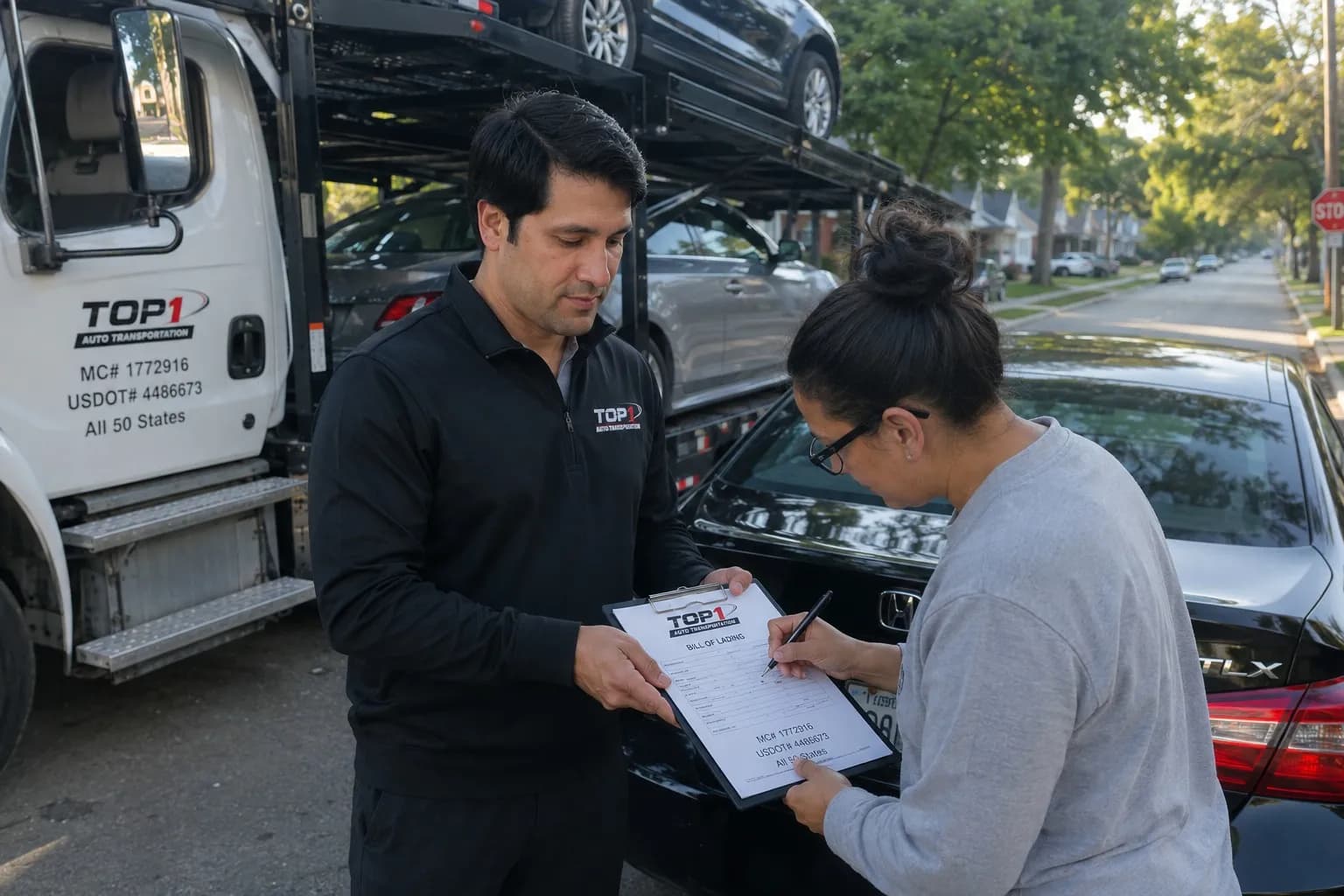
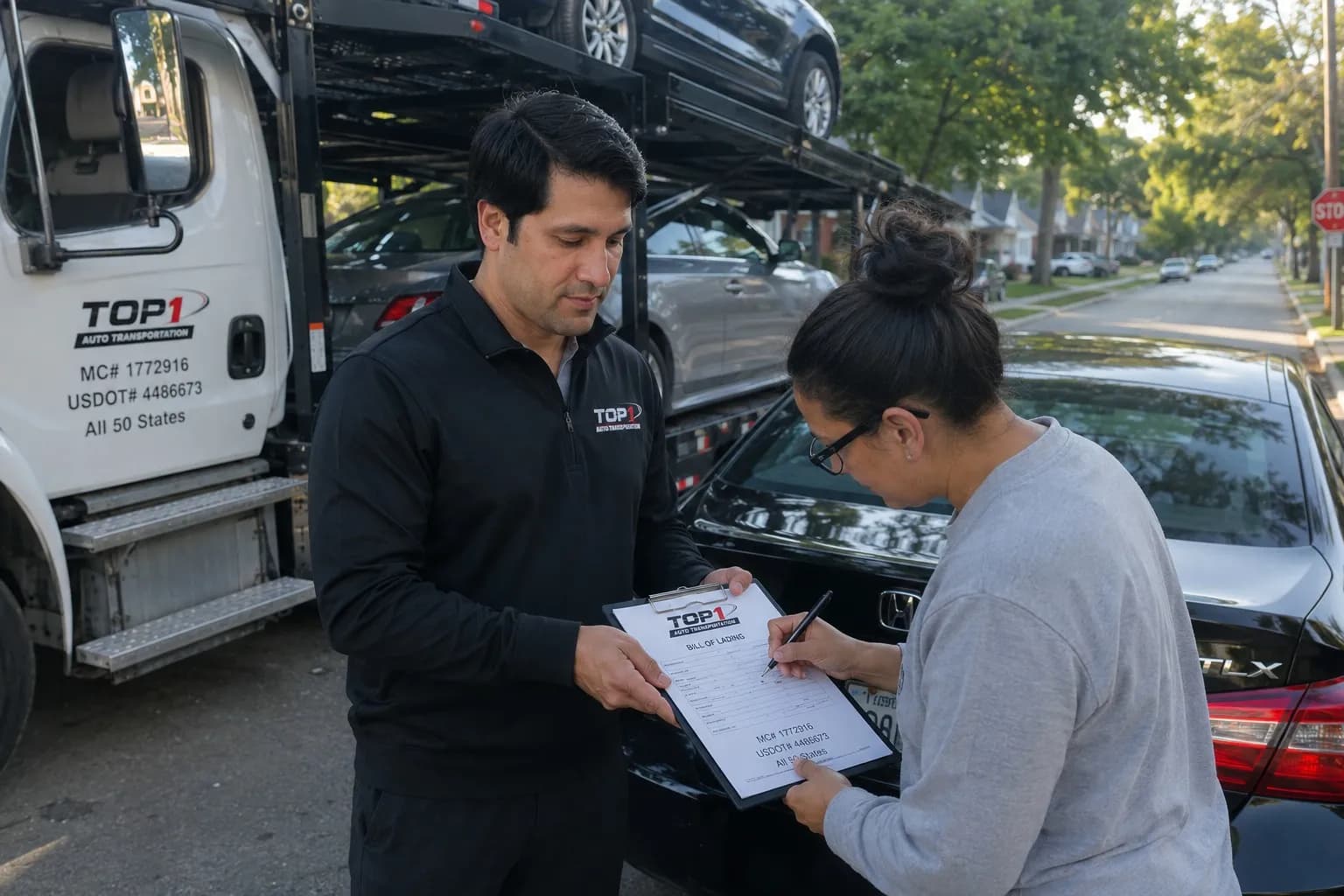
- A joint inspection is documented on a bill of lading at pickup.
- The vehicle is transported and tracked through delivery.
- A matching inspection happens at delivery before you sign off and pay any remaining balance.
The bill of lading is the single most important document in the process — it's the legal record of the vehicle's condition at pickup and delivery, and it's what any damage claim would be based on. Read it carefully at both ends.
Top1 Auto Transportation is a licensed nationwide auto transport broker. You can start with an instant quote or contact our advisors if your move involves military orders, multiple vehicles, or a tight closing date.
Ready to ship from Alabama to Texas? Get a free quote from Top1 Auto Transportation based on your exact route, vehicle, and timeline — or contact us if you'd rather talk through options first.
Frequently Asked Questions
- How much does it cost to ship a car from Alabama to Texas?
- Most sedans ship for $700 to $1,000 on open transport, with SUVs and trucks running higher. Enclosed transport typically adds 30–40% to the base price. Exact pricing depends on cities, vehicle size, running condition, season, and pickup flexibility.
- How long does it take to ship a car from Alabama to Texas?
- Plan for 2 to 5 days in transit, plus 1 to 3 days for a carrier to be assigned and complete pickup. Total door-to-door timing is usually longer than transit alone because the clock starts at pickup, not booking.
- Is it cheaper to drive the car myself instead of shipping it?
- For a single trip, driving can look cheaper on paper, but it adds fuel, lodging, meals, mileage wear, and your own time. For most people relocating or handling multiple vehicles, shipping works out comparably once those costs are counted — without the wear on the car or the time off.
- Do I need to be present for pickup and delivery?
- You or someone you authorize needs to be there to release the vehicle and sign the inspection report at both ends. It does not have to be you personally, as long as the person present can sign on your behalf.
- What's the difference between open and enclosed transport?
- Open transport carries multiple vehicles on an uncovered trailer and is the standard, lower-cost option. Enclosed transport fully covers the vehicle and costs more, typically chosen for high-value, classic, or luxury cars.
- Can I ship a car that doesn't run?
- Yes. Most carriers can transport non-running vehicles using a winch, but you need to disclose this when booking since it usually adds a fee and requires specific loading equipment.